Find multi color skin friendly eyeshadow for parties, events, and photos
Source 30 verified listings for multi color skin friendly eyeshadow with customizable colors and waterproof formulas. Buyers can compare specifications, certifications, and packaging options from suppliers in China.
Key considerations
Products List




Comprehensive Sourcing Guide
Strategic Sourcing Guide for Multi-Color Skin-Friendly Eyeshadow
Procuring multi-color skin-friendly eyeshadow requires a nuanced understanding of the intersection between cosmetic formulation, regulatory compliance, and supply chain logistics. For B2B buyers, the term "skin-friendly" implies a formulation designed to minimize irritation while maintaining high pigment performance, a claim that must be substantiated through rigorous supplier vetting rather than marketing assertions. The market for these products is characterized by a diverse range of formats, from single-pan powders to complex multi-pan palettes, each presenting unique challenges in quality control and specification management. This guide outlines the critical factors buyers must evaluate to secure a reliable supply chain for high-quality eye cosmetics.
Technical Specifications and Formulation Variability
The technical landscape of eyeshadow procurement is defined by significant variability in physical form and ingredient composition. While the core keyword suggests a preference for multi-color options, the physical state of the product can range from liquid to powder. Data indicates that the market offers both "Dry" and "Powder" forms, with specific product models such as ES04 and M-127 associated with liquid or powder variations. Buyers must explicitly define the desired form in their Request for Quotation (RFQ), as the manufacturing processes for liquid and powder eyeshadows differ fundamentally in terms of binder systems and application techniques.
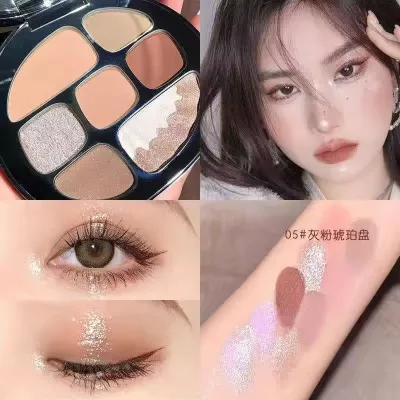
A critical technical attribute is the colorant composition. For multi-color palettes, the availability of specific shades such as Black, Brown, and Beige is a baseline requirement, but the ability to customize colors is equally vital. Suppliers often list "Customized Colors Are Welcome," indicating a capacity for bespoke formulation. However, the "Skin-Friendly" aspect of the keyword necessitates a close examination of the ingredient list. The supply data highlights "Mineral" and "Mineral Ingredient" as primary components for several product lines. Mineral-based formulations are often preferred for sensitive skin applications due to their inert nature and reduced likelihood of causing allergic reactions compared to synthetic dyes.
Furthermore, the packaging and presentation of the product are integral to its technical specification. The data shows a divergence in packaging materials, ranging from "Plastic" and "Cardboard" to "Paper Box" and "Master Carton." Some models specify a net weight of 1.5g per color, while others may be standardized at 3.5g or 4.5g. These weight specifications directly impact the unit economics and the perceived value of the product. Buyers should verify the exact net weight per pan and the total weight of the palette to ensure alignment with their target retail price points. The inclusion of components such as brushes in the packaging is another variable that affects the final product specification and should be confirmed during the sampling phase.
Compliance and Certification Verification
In the cosmetics industry, compliance is not merely a regulatory hurdle but a fundamental component of product safety and market access. The "skin-friendly" claim carries a heavy burden of proof, requiring suppliers to demonstrate adherence to international safety standards. The observed supply chain data reveals a robust presence of certifications, including GMPC (Good Manufacturing Practice for Cosmetics), ISO, MSDS (Material Safety Data Sheet), FDA, GMP (Good Manufacturing Practice), and REACH. These certifications are critical indicators of a supplier's commitment to quality and safety.
When evaluating potential partners, buyers should prioritize suppliers who hold a comprehensive suite of these certifications. The presence of REACH certification is particularly important for targeting the European market, as it ensures compliance with the Registration, Evaluation, Authorisation and Restriction of Chemicals regulation. Similarly, FDA registration or compliance is essential for accessing the United States market, while GMPC and GMP are globally recognized standards for manufacturing hygiene and process control. The data also notes that some products carry specific certifications like "MSDS" alone, while others list a broader range including "GMPC, ISO, MSDS, FDA, GMP." A supplier offering the full spectrum of certifications is generally better equipped to handle the complex regulatory requirements of different regions.
Buyers must also verify the validity of these certifications. It is not sufficient to rely on a supplier's claim; documentation should be requested and cross-referenced with the issuing bodies. Additionally, the "Skin-Friendly" attribute often relates to the absence of harmful substances. The "Fragrance Free" option observed in the data is a significant differentiator for sensitive skin formulations. Buyers should explicitly request fragrance-free versions if the target demographic includes individuals with allergies or sensitivities. The "Natural" feature mentioned in the product attributes further supports the skin-friendly narrative, suggesting the use of non-synthetic or minimally processed ingredients, which should be verified against the specific ingredient list provided by the manufacturer.
Cost Drivers and Pricing Dynamics
Understanding the cost structure of multi-color eyeshadow is essential for maintaining healthy profit margins. The observed price range in the market spans from $0.10 to $80.50 USD, a wide disparity that reflects differences in formulation complexity, packaging quality, and order volume. The primary cost drivers include the type of pigments used, the complexity of the multi-color arrangement, and the level of customization required.
Order Volume is a significant factor in determining the final unit price. The Minimum Order Quantity (MOQ) ranges from 1 to 12,000 units, indicating that suppliers are flexible but often offer better pricing tiers for larger orders. Buyers seeking to minimize initial capital outlay can start with lower MOQs, but they must be prepared for higher per-unit costs. Conversely, larger orders allow for economies of scale, reducing the cost per unit significantly. The "Customization" attribute is another major cost driver. While standard products are available, developing custom colors, packaging designs, or private label services (OEM/ODM) incurs additional tooling and formulation costs.
The packaging material also influences the cost. Products packaged in "Paper Box" or "Plastic" with "Master Carton" shipping options may have different cost structures compared to those with premium packaging. The inclusion of accessories like brushes can also add to the overall cost. Buyers should analyze the total landed cost, including shipping, duties, and taxes, rather than focusing solely on the FOB price. The data indicates that shipping methods vary by "Express," "Air," or "Sea," each with different cost implications and lead times. Selecting the appropriate shipping method based on the urgency of the order and the budget constraints is a key strategic decision.
Typical Applications and Market Positioning
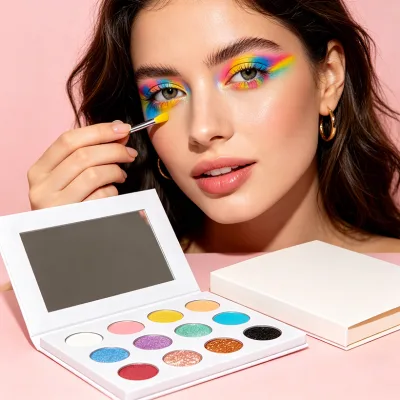
Multi-color skin-friendly eyeshadow serves a diverse range of applications, from professional makeup artistry to everyday consumer use. The versatility of these products allows them to be positioned in various market segments, from mass-market drugstores to high-end department stores. The "12-Color Eyeshadow" format is particularly popular for creating versatile looks, offering a wide spectrum of shades in a single palette. This format is ideal for consumers who value convenience and variety.
The "Skin-Friendly" attribute makes these products particularly suitable for sensitive skin types, expanding the potential customer base to include individuals who may avoid traditional cosmetics due to irritation concerns. This positioning is especially relevant in the growing "clean beauty" market, where consumers are increasingly demanding transparency and safety in their cosmetic products. The "Natural" and "Mineral" ingredients observed in the supply data align well with this trend, appealing to health-conscious buyers.
In professional settings, the high pigment load and color accuracy of these eyeshadows are crucial. The ability to customize colors allows makeup artists to create unique looks for specific clients or events. The "OEM ODM Private Label Service" offered by suppliers enables brands to create exclusive products that differentiate them from competitors. This service is particularly valuable for emerging brands looking to establish a unique identity in a crowded market. The "Fragrance Free" option further enhances the product's appeal for professional use, where strong scents can be distracting or uncomfortable for clients.
Supplier Evaluation and Quality Assurance
Selecting the right supplier is the most critical step in the procurement process. Buyers should conduct a thorough evaluation of potential partners based on their technical capabilities, compliance record, and production capacity. The presence of certifications like GMPC, ISO, and FDA is a strong starting point, but buyers should also request samples to verify the quality of the product firsthand. The "Skin-Friendly" claim must be validated through sensory testing and, if possible, dermatological testing results.
Quality control is paramount in the cosmetics industry. Buyers should implement a robust quality assurance protocol that includes pre-production sampling, in-process inspections, and final product testing. The "Standard Specifications or Customized" attribute indicates that suppliers can adhere to specific requirements, but buyers must clearly communicate their quality standards. The "Pao" (Period After Opening) of 12 months and "Shelf Life" of 36 months are important metrics to verify, as they indicate the product's stability and safety over time.
The supplier's location, such as "China" or "Zhejiang, China," can impact lead times and logistics. Buyers should consider the proximity of the supplier to their target markets and the efficiency of their shipping methods. The "Payment Method" options, including "Trade Assurance," "T/T," "Moneygram," "West Union," and "Paypal," offer various levels of security for the buyer. Using platforms like Trade Assurance can provide additional protection against non-delivery or quality issues.
Long-Term Procurement Considerations
Sourcing multi-color skin-friendly eyeshadow is not a one-time transaction but a long-term partnership that requires ongoing management. Buyers should focus on building relationships with suppliers who demonstrate reliability, flexibility, and a commitment to continuous improvement. The ability to scale production up or down based on market demand is a key factor in long-term success. Suppliers with flexible MOQs and the capacity for customization are better positioned to support growing brands.
Sustainability is an increasingly important consideration in the cosmetics industry. Buyers should evaluate the environmental impact of the packaging materials, such as "Plastic/Cardboard" or "Paper Box," and inquire about the supplier's sustainability initiatives. The "Natural" and "Mineral" ingredients observed in the data suggest a potential alignment with sustainable sourcing practices, but this should be verified through direct communication with the supplier.
Finally, buyers must stay informed about changing regulations and market trends. The cosmetics industry is dynamic, with new regulations and consumer preferences emerging regularly. Maintaining open communication with suppliers and staying updated on industry developments will help buyers adapt to changes and maintain a competitive edge. By focusing on these long-term considerations, buyers can build a resilient supply chain that supports the growth and success of their cosmetic brands.
FAQs
What certifications do multi color skin friendly eyeshadow suppliers typically hold?
Suppliers typically hold GMPC, ISO, MSDS, FDA, and GMP certifications. Some also include REACH for European compliance. These documents verify safety and manufacturing hygiene standards essential for skin-friendly claims.
Can I customize colors for multi color skin friendly eyeshadow orders?
Yes, customized colors are welcome for most orders. Suppliers offer OEM and ODM private label services to meet specific shade requirements. This allows brands to create unique palettes tailored to their target audience.
What is the shelf life for these mineral-based eyeshadow products?
The standard shelf life is 36 months from the manufacturing date. The period after opening is typically 12 months. This duration ensures product stability and safety when stored under proper conditions.
Which packaging materials are used for multi color skin friendly eyeshadow?
Packaging materials include plastic, cardboard, and paper boxes. Some models come with master cartons for bulk shipping. Inner cartons are often used to protect individual pans during transit.
How does the MOQ vary for custom multi color skin friendly eyeshadow?
Minimum order quantities range from 1 to 12,000 units depending on the supplier. Customization often requires higher volumes to justify tooling costs. Buyers should negotiate specific tiers based on their order size.
Are fragrance-free options available for sensitive skin formulations?
Yes, fragrance-free options are available for sensitive skin. These formulations use mineral ingredients to minimize irritation. Buyers should explicitly request this feature to ensure suitability for allergy-prone customers.